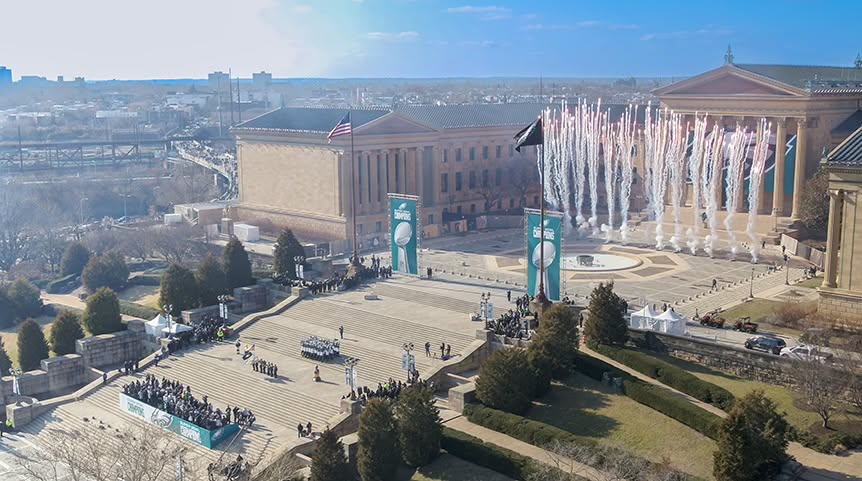
 Aerial drone photography and video can complement almost any marketing project a business undertakes. By giving viewers a much wider perspective of the project, you help them understand how it’s details fit together in a unique way that disconnected ground-level clips simply cannot.
There are quite a number of businesses and projects that are already operating with a marketing budget, that should take a serious look at integrating aerial footage into the current marketing plans.
Continue reading to see whether your industry is on the list and how aerial photography and videography can optimize your marketing and show customers the full scope of your work.
Projects That Benefit From Aerial Photography and Videography
The following is an explainer of the particular industries where aerial footage enhances and optimizes a visual project.
Commercial Real Estate and Property Development
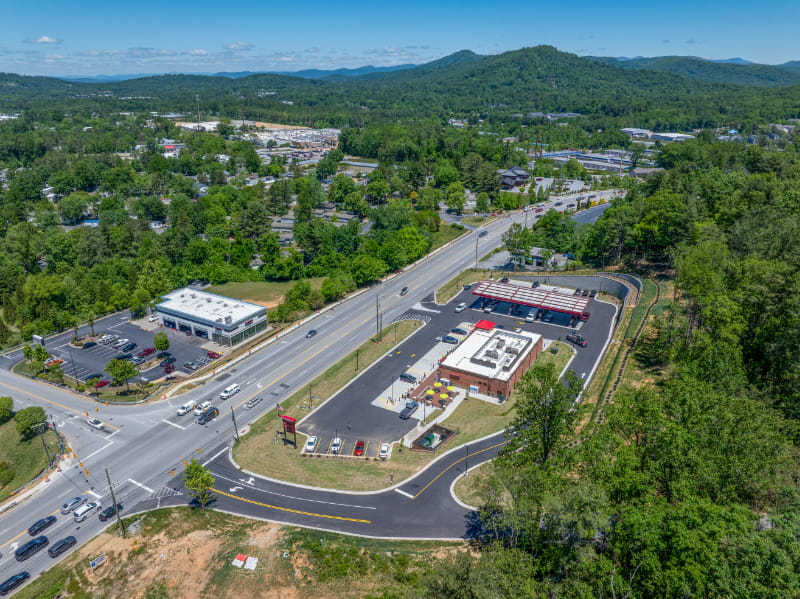 Traditional real estate and property development photography generally shows entrances, interiors and as much architectural details as possible. But it struggles to explain how a commercial project is progressing and how it relates to the other features around it.
On the other hand, aerial footage showcases the building structure, its capacity, road access, loading zones, surrounding developments and the complexity of a project in a way that takes the presentation much further.
Here’s an example of an Aerial Exposé Showcasing Waterway, Southport NC.
Aerial footage becomes particularly valuable when marketing for:
- Office buildings and business parks.
- Retail plazas and shopping centres.
- Golf courses and sports arenas.
- Industrial and warehouse properties.
- Apartment and condo communities.
- Development land.
- Hotels and resort properties.
There’s nothing better than giving prospects a clear view of the entire property, especially when the location, access points and surrounding developments can all influence their business decisions.
Construction Projects and Progress Documentation
Because construction sites change quickly, ground footage can be simply random and doesn’t fully communicate the progress of the project.
Drone photography for construction however, can create a consistent visual record of the work as it develops, and the footage can be used for progress reports/assessments, stakeholder updates, marketing materials and project presentations. These are all the types of assets most construction projects should not do without.
This is a time-lapsed video example of the progress of a construction site:
Aerial footage is also useful when several parts of a site must be viewed simultaneously by showing the relationship between different structures and active work areas, without being forced to understand a printout of separate photographs.
Industrial Facilities and Large Worksites
Industrial properties are examples of facilities that are generally too large and complicated to adequately represent through ground photography or video. And many facilities have multiple buildings and areas that are difficult to observe safely.
This is where the benefits of drone footage comes into play. With drone footage you can establish the overall layout and working areas, and assist with facility documentation, infrastructure assessments, roof observations and planning discussions – all important to the ongoing operations of an industrial facility.
Hotels and Tourism Destinations
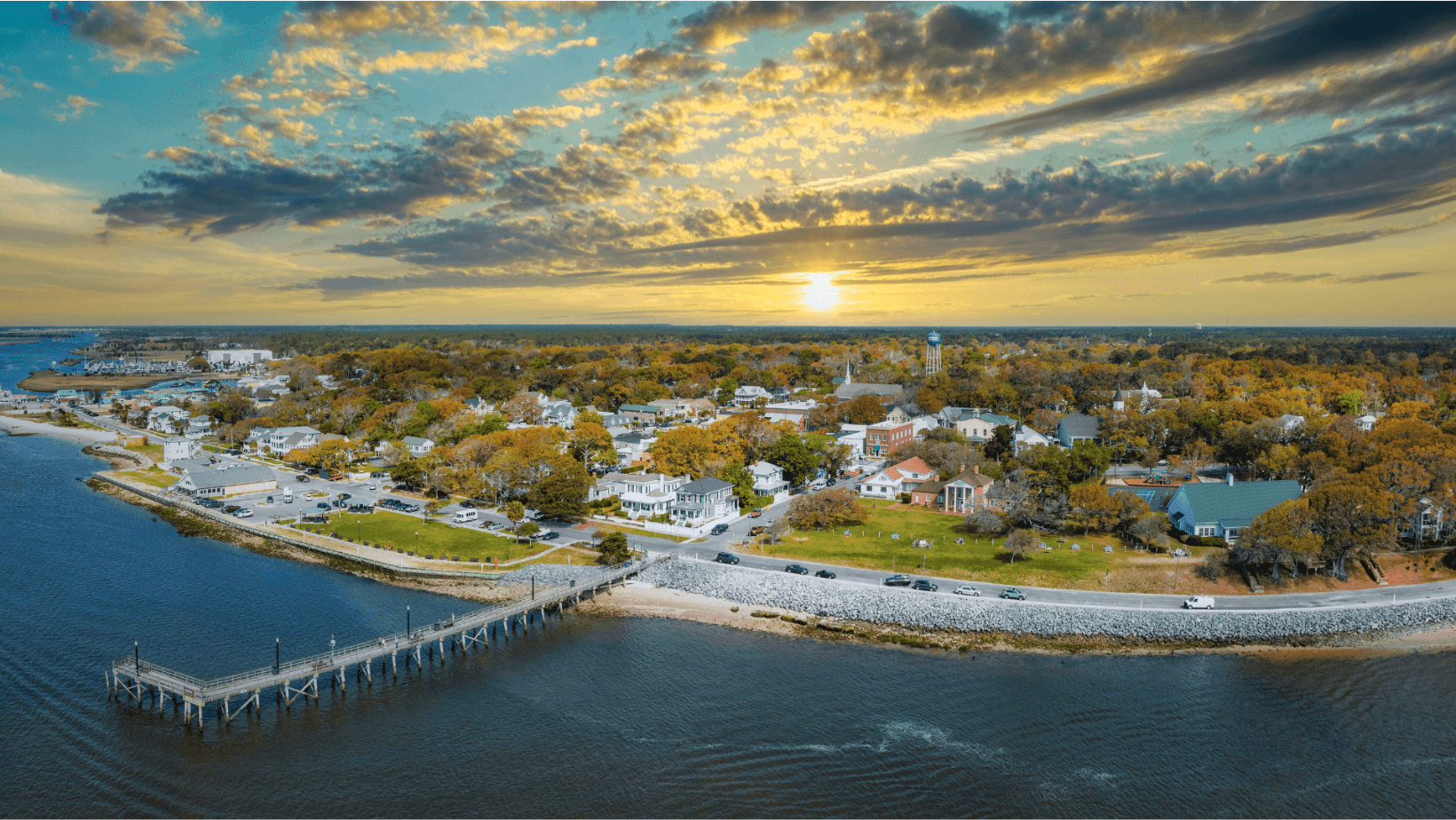 Location, location, location! But how are you going to communicate the value of that location if prospective buyers can’t see all of it?
Hotels and tourist destinations are probably one of the top candidates for producing better marketing materials through aerial photographs and video. They don’t need too many reels of aerial footage, but the injection of aerial shots into their marketing materials will only enhance the viewer’s perception of the destination in question. It is widely known that location is one of the main reasons someone chooses a hotel or other tourist destination.
Aerial footage can show proximity to the natural surroundings, golf courses, downtown areas and all the local attractions. It can be used to help guests find the location of pools, restaurants and other accommodations even before they arrive.
If you’re in the hotel and tourism business, make sure to talk to your drone operator about experiences involving movement through the property – where a smooth sequences carry the viewer from the surrounding landscapes, into the grounds and toward the features that make the destination seem like it will be pleasurable.
Outdoor Events and Sporting Venues
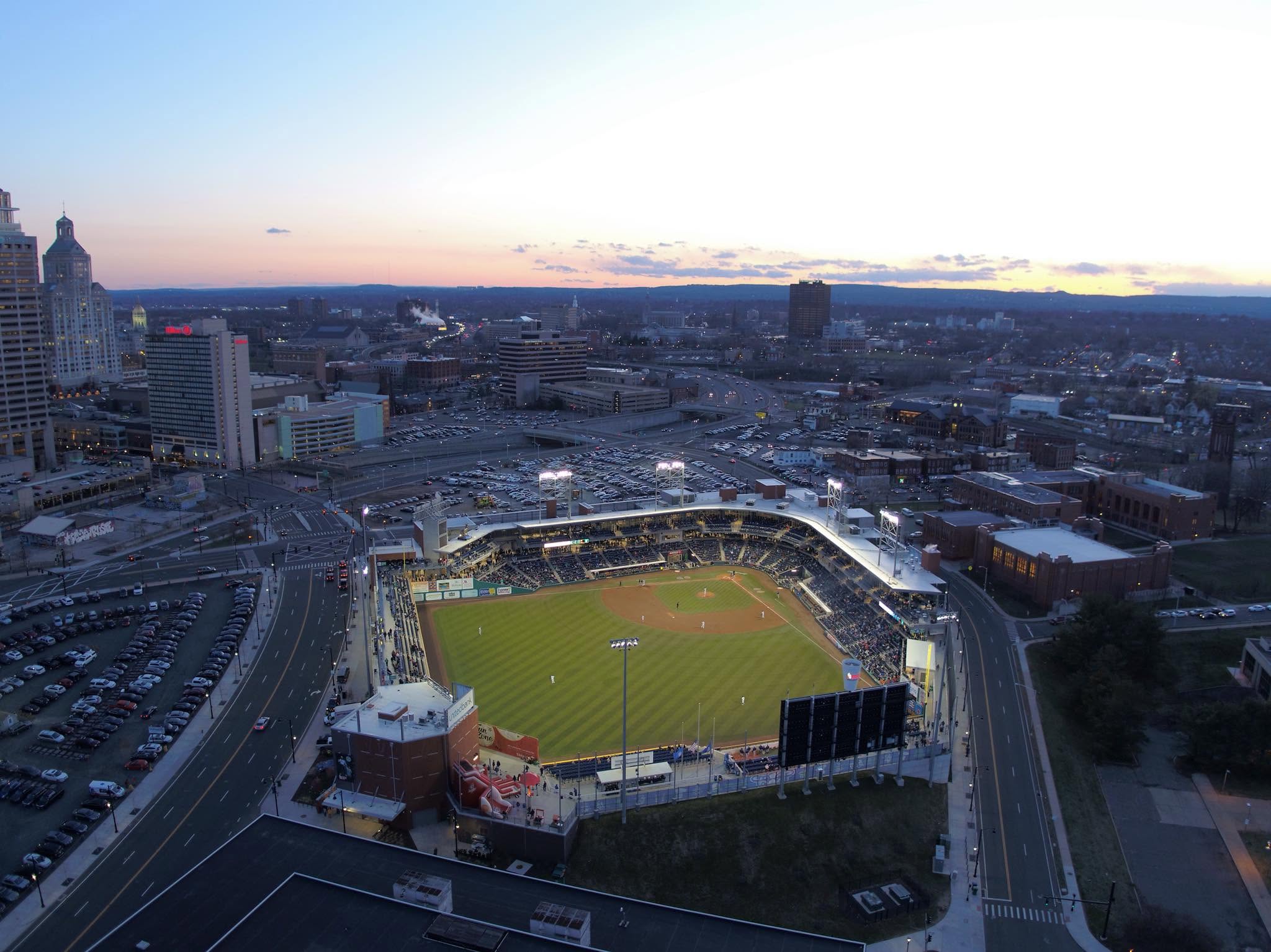 When it comes to outdoor events and sporting venues, the bottom line is that aerial footage takes event documentation to the absolute limit.
Simple ground-level event photography does very little for the viewer compared to taking fly-over views of the crowd, showcasing the attendance, giving a bird’s eye view of the venue layout, and the overall energy of the event itself.
The following is a list of events and venues where aerial photography and videography shouldn’t be optional:
- Community festivals and fairs.
- Concerts and outdoor performances.
- Road races and cycling events.
- Golf tournaments and sporting events.
- Motorsport and action events.
- Corporate gatherings and product launches.
Another benefit is that the finished material can be used in multiple marketing materials and promotions for the following few years to come.
Note that drone flight planning is of particular importance around crowds and your drone operator will first assess the site and be sure to follow airspace and flight restrictions before deciding which shots can be completed safely and legally.
Film, Television and Commercial Video Production
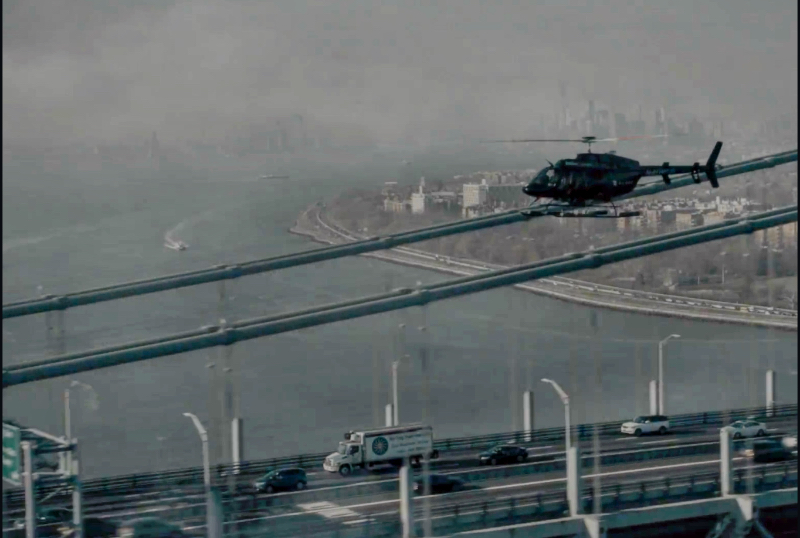 The film and television sector benefits from aerial drone footage too and can be used to visually optimize documentaries, television programs, commercials, music videos, corporate videos and much more. In certain productions it can be used in place of cranes, expensive helicopter rentals or elaborate ground based equipment.
With just a few seconds of an aerial sequence, it can establish:
- Establish the event context.
- Reveal the surrounding environment.
- Communicate the scale of the event.
- Identify the location.
- Set the mood and visual tone.
- Orient viewers for particular scenes.
- Create natural transitions between scenes or locations.
- Follow people, vehicles or movement across a large areas.
When it comes to event footage, there’s no match against what an aerial perspective can provide your audience, and there’s no easier way to obtain it than through aerial photography and videography.